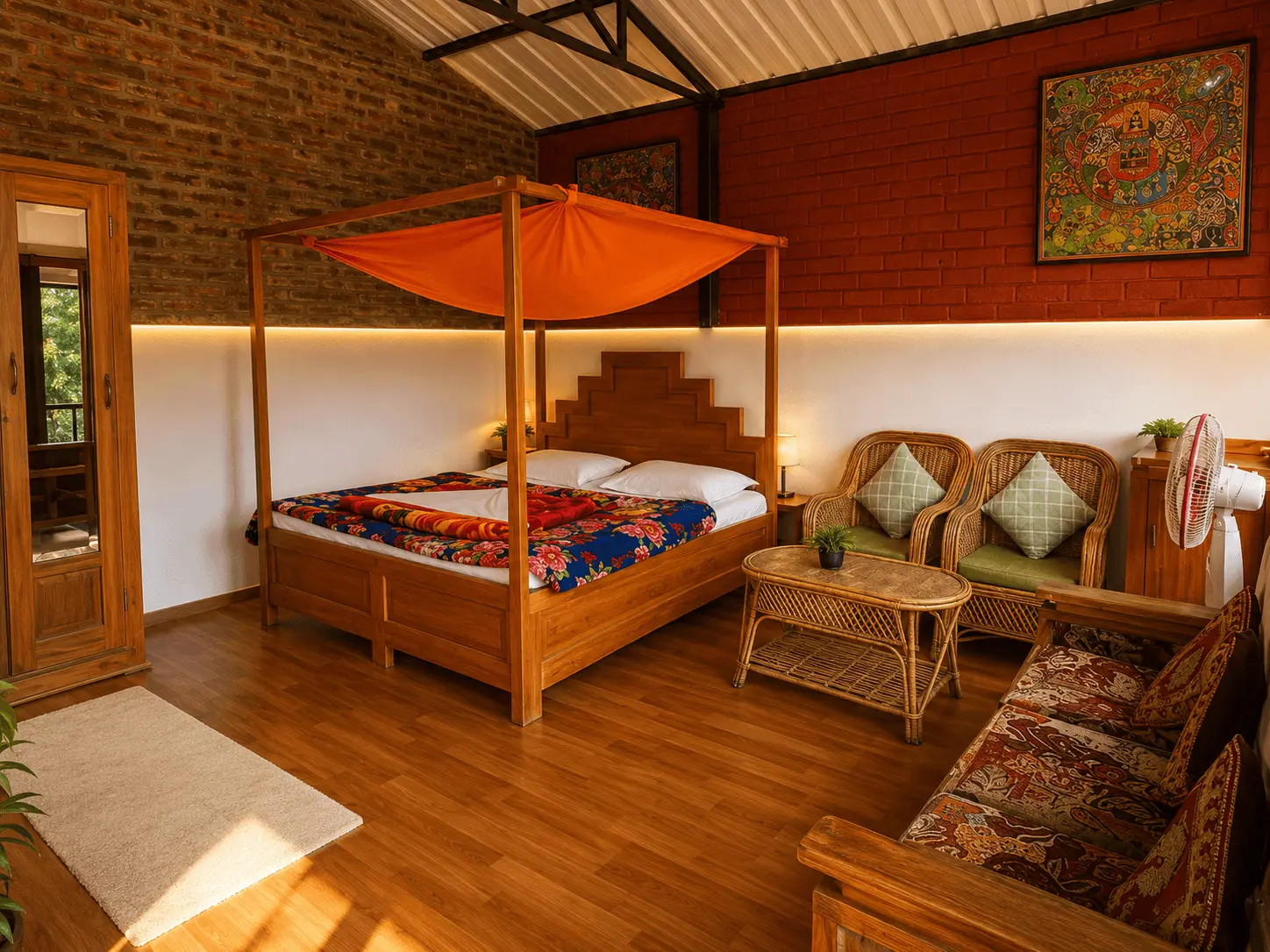
Maunvan is a small residential ashram on a forested ridge above the Ganga valley. Our yoga and meditation retreat runs for 3, 5, or 7 days — an affordable, all-inclusive program for anyone who wants to go deeper, slow down, and come back to themselves. All levels welcome, all year round.
3, 5 & 7 Day Yoga Retreat in Rishikesh, India
Maunvan's yoga retreat in Rishikesh is a residential ashram program for anyone who wants to go deeper — whether you are a complete beginner taking your first steps or a seasoned practitioner looking to reset and reconnect. Choose from 3-day, 5-day, or 7-day formats, each combining daily Hatha yoga, Ashtanga, Pranayama, Meditation, Yin Yoga, and evening Satsang in a quiet Himalayan forest above the Ganga valley.
This is one of the most affordable yoga retreats in Rishikesh that is also genuinely all-inclusive — no hidden fees, no upselling. One payment covers your room, all meals, every session, and personal teacher guidance. Groups are capped at 12 so that teaching stays personal. Rolling intake runs all year, so you can start on any Monday that works for you.
What is the Yoga Retreat at Maunvan?
People come to a yoga retreat in Rishikesh for many different reasons. Some arrive burned out and just need a real break — not a vacation, but deep rest. Some have a yoga practice at home that has stopped growing and need more time, better guidance, and a different environment to move through the plateau. Some are complete beginners who have always been curious about yoga but never had the space to explore it properly. And some come after a difficult period in their lives — grief, stress, illness, transition — drawn by the intuition that something here might help.
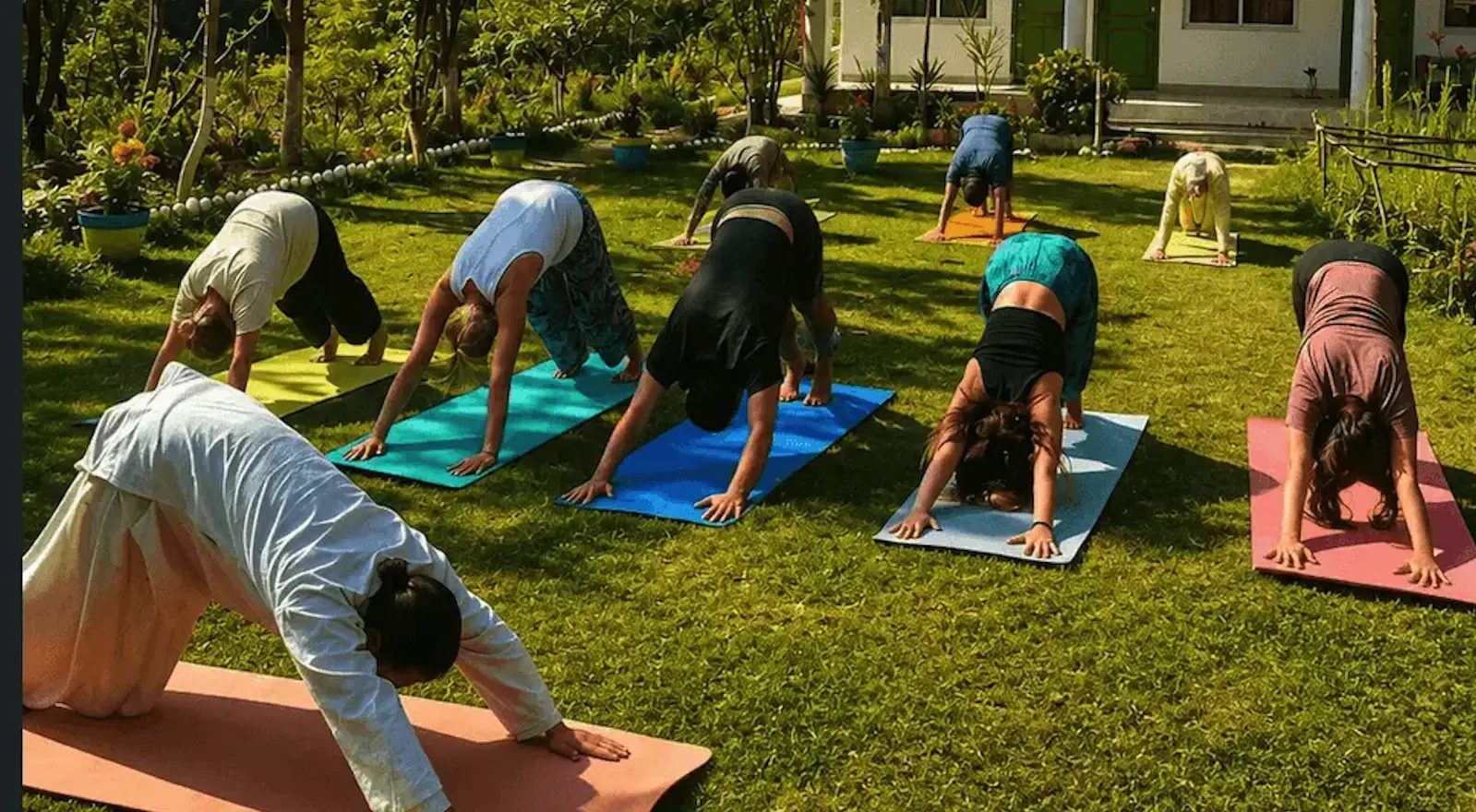
What Maunvan offers is a health and wellness retreat built around classical yoga in its full form — not just the physical postures, but pranayama, meditation, philosophy study, sattvic food, and the structure of a day lived in rhythm with nature. The retreat is set on a forested ridge above the Ganga valley, away from the noise of central Rishikesh town. The air is clean, the nights are genuinely quiet, and the mornings — starting before sunrise with breathwork overlooking the Himalayan ridgeline — are the kind of mornings that stay with people long after they go home. For many participants, it becomes a genuine spiritual retreat — a reset that goes far beyond mindfulness exercises or a weekend detox.
Every yoga retreat at Maunvan is available in three durations. The 3 days yoga retreat in Rishikesh is ideal for a first taste or a short reset. The 5 days yoga retreat in Rishikesh is the most popular — enough time for the body to settle and the practice to go somewhere real. The 7 days yoga retreat in Rishikesh is recommended for those who want the full immersion: a complete week of yogic living that most participants say produces more genuine change than months of weekly classes back home.
All programs are open to beginners and experienced practitioners alike. No prior yoga experience is required. See all available programs on our Retreats page.
Retreat Dates & Availability 2026 / 2027
New batches begin every Monday throughout the year. You choose how many days — 3, 5, or 7 — starting from any available date. Rolling intake all year, limited to a maximum of 12 participants per batch. Book early to secure your preferred date.
Start Date
3 Days (Single / Sharing)
5 Days (Single / Sharing)
7 Days (Single / Sharing)
05 Oct 2026
$108 / $93
$180 / $155
$252 / $217
12 Oct 2026
$108 / $93
$180 / $155
$252 / $217
19 Oct 2026
$108 / $93
$180 / $155
$252 / $217
26 Oct 2026
$108 / $93
$180 / $155
$252 / $217
02 Nov 2026
$108 / $93
$180 / $155
$252 / $217
09 Nov 2026
$108 / $93
$180 / $155
$252 / $217
16 Nov 2026
$108 / $93
$180 / $155
$252 / $217
23 Nov 2026
$108 / $93
$180 / $155
$252 / $217
30 Nov 2026
$108 / $93
$180 / $155
$252 / $217
07 Dec 2026
$108 / $93
$180 / $155
$252 / $217
14 Dec 2026
$108 / $93
$180 / $155
$252 / $217
21 Dec 2026
$108 / $93
$180 / $155
$252 / $217
28 Dec 2026
$108 / $93
$180 / $155
$252 / $217
04 Jan 2027
$108 / $93
$180 / $155
$252 / $217
11 Jan 2027
$108 / $93
$180 / $155
$252 / $217
18 Jan 2027
$108 / $93
$180 / $155
$252 / $217
25 Jan 2027
$108 / $93
$180 / $155
$252 / $217
01 Feb 2027
$108 / $93
$180 / $155
$252 / $217
08 Feb 2027
$108 / $93
$180 / $155
$252 / $217
15 Feb 2027
$108 / $93
$180 / $155
$252 / $217
22 Feb 2027
$108 / $93
$180 / $155
$252 / $217
01 Mar 2027
$108 / $93
$180 / $155
$252 / $217
08 Mar 2027
$108 / $93
$180 / $155
$252 / $217
15 Mar 2027
$108 / $93
$180 / $155
$252 / $217
22 Mar 2027
$108 / $93
$180 / $155
$252 / $217
29 Mar 2027
$108 / $93
$180 / $155
$252 / $217
05 Apr 2027
$108 / $93
$180 / $155
$252 / $217
12 Apr 2027
$108 / $93
$180 / $155
$252 / $217
19 Apr 2027
$108 / $93
$180 / $155
$252 / $217
26 Apr 2027
$108 / $93
$180 / $155
$252 / $217
03 May 2027
$108 / $93
$180 / $155
$252 / $217
10 May 2027
$108 / $93
$180 / $155
$252 / $217
17 May 2027
$108 / $93
$180 / $155
$252 / $217
24 May 2027
$108 / $93
$180 / $155
$252 / $217
31 May 2027
$108 / $93
$180 / $155
$252 / $217
07 Jun 2027
$108 / $93
$180 / $155
$252 / $217
14 Jun 2027
$108 / $93
$180 / $155
$252 / $217
21 Jun 2027
$108 / $93
$180 / $155
$252 / $217
28 Jun 2027
$108 / $93
$180 / $155
$252 / $217
06 Sep 2027
$108 / $93
$180 / $155
$252 / $217
All fees are all-inclusive — accommodation, 3 meals/day, all yoga sessions & teacher guidance. Max 12 participants per batch. Best time for yoga retreat in Rishikesh: October to March for cool weather; July–August for lush monsoon green.
Daily Schedule
The schedule at Maunvan is built on the classical yogic understanding of the day's natural rhythms. Brahma muhurta — the hour before sunrise — is considered the most powerful time for meditation and pranayama. Every hour of the day has a purpose, and the structure itself is part of the practice. Our teachers hold qualifications recognised by the Yoga Alliance and ground their teaching in the tradition of classical Hatha yoga as it has been taught in the Himalayan tradition for centuries.
05:30 AM
Wake Up
Himalayan silence before the valley stirs. Rise gently, wash, and prepare for practice.
06:00 AM
Pranayama & Meditation
60 minutes of guided breathwork — Nadi Shodhana, Kapalabhati, Ujjayi — followed by silent sitting meditation. The foundation of the entire day.
07:15 AM
Morning Yoga Session
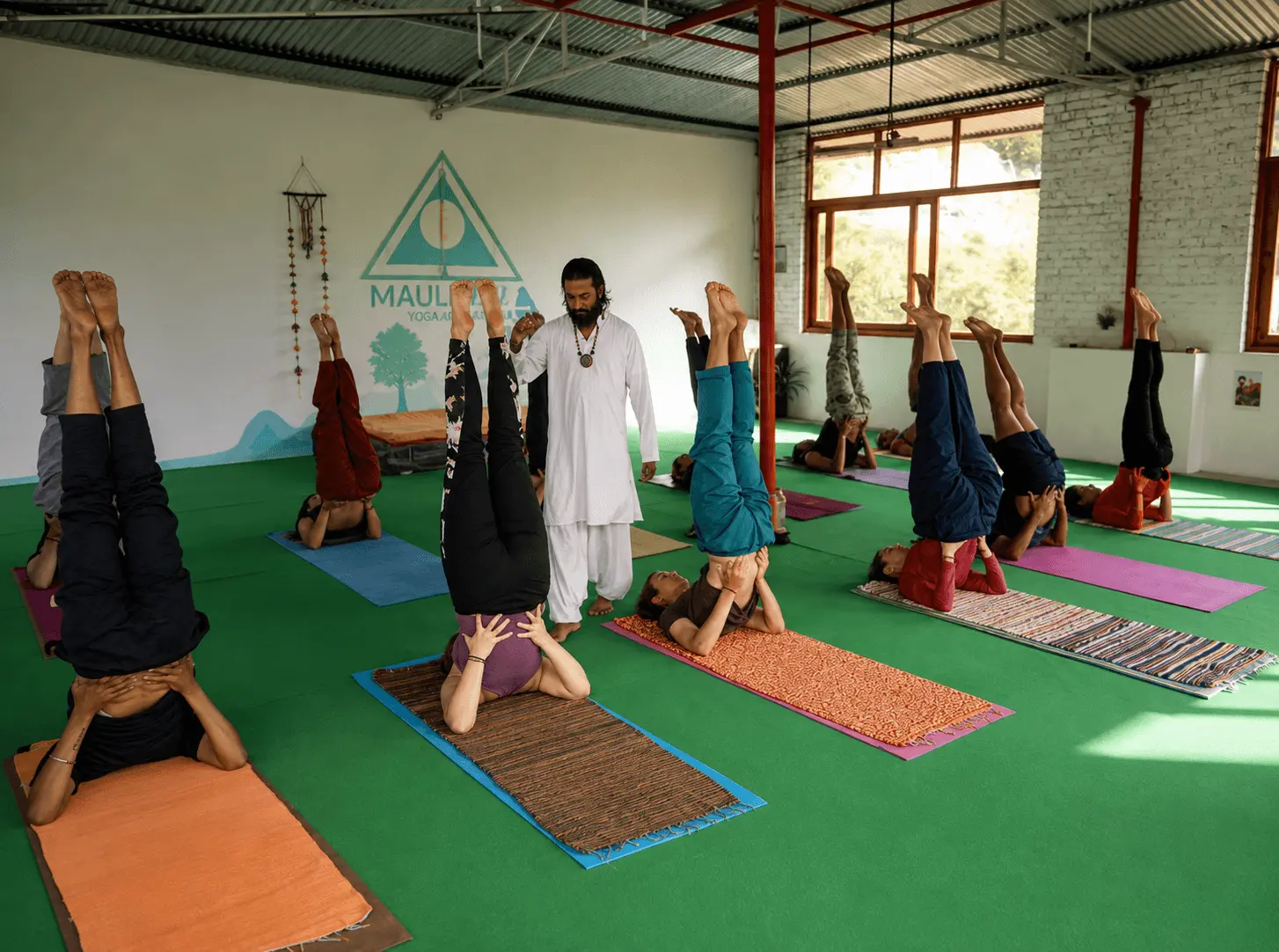
90 minutes of Hatha or Ashtanga yoga with hands-on alignment guidance in the hilltop shala overlooking the Himalayan valley.
08:45 AM
Breakfast
Warm sattvic vegetarian meal — fresh, seasonal, and prepared according to Ayurvedic principles to support your practice.
10:00 AM
Yoga Philosophy / Workshop
Study sessions on the Yoga Sutras, anatomy & alignment workshops, Ayurveda talks, or mantra study with the resident teacher.
01:00 PM
Lunch & Rest
The main sattvic meal of the day, followed by free time for rest, journaling, reading, or mindful forest walks through the ashram grounds.
04:00 PM
Afternoon Practice
Yin Yoga, restorative practice, or Yoga Nidra — the passive and quieting complement to the dynamic morning session.
07:00 PM
Dinner
Light sattvic evening meal — warm, nourishing, and easy to digest before the night's rest.
08:00 PM
Satsang
Mantra chanting, philosophical discussion, or guided journaling. Lights out by 10:00 PM to honour the early morning schedule.
The 7-day program includes one silent yoga retreat day — a full day of silence, self-practice, and deep inner inquiry with no scheduled group sessions.
What's Included in the Yoga Retreat Fee?
One fee covers everything that matters. We have kept the pricing straightforward so you can plan without surprises.
✓Inclusions
🛏
Accommodation
Shared or private room at Maunvan ashram
🥗
All Meals
Three sattvic vegetarian meals daily
🧘
All Yoga Sessions
Yoga, pranayama & meditation classes
👨🏫
Teacher Guidance
Personal attention & individual support
📚
Philosophy & Workshops
Study sessions & workshop materials
🌿
Ashram & Forest Walks
Grounds, meditation garden & Himalayan trails
🎵
Evening Satsang
Mantra chanting & community gathering
📜
Certificate
Certificate of participation on completion
✕Exclusions
✈️
Travel to Rishikesh
Flights, trains or buses not included
👜
Personal Expenses
Shopping, tips & personal items
🛡️
Travel Insurance
Recommended to arrange separately
🌿
Ayurvedic Treatments
Optional add-on at extra cost
🧘
Personal Yoga Mat
Mats & blocks provided; own mat welcome
☕
Extra Meals / Beverages
Outside the scheduled meal times
Accommodation
Maunvan ashram sits on a forested ridge above the Ganga valley in the Himalayan foothills — genuinely away from the noise of central Rishikesh town. Your room is your retreat base: simple, clean, and built to support sleep and recovery rather than distraction.
🛏
Private Single Room
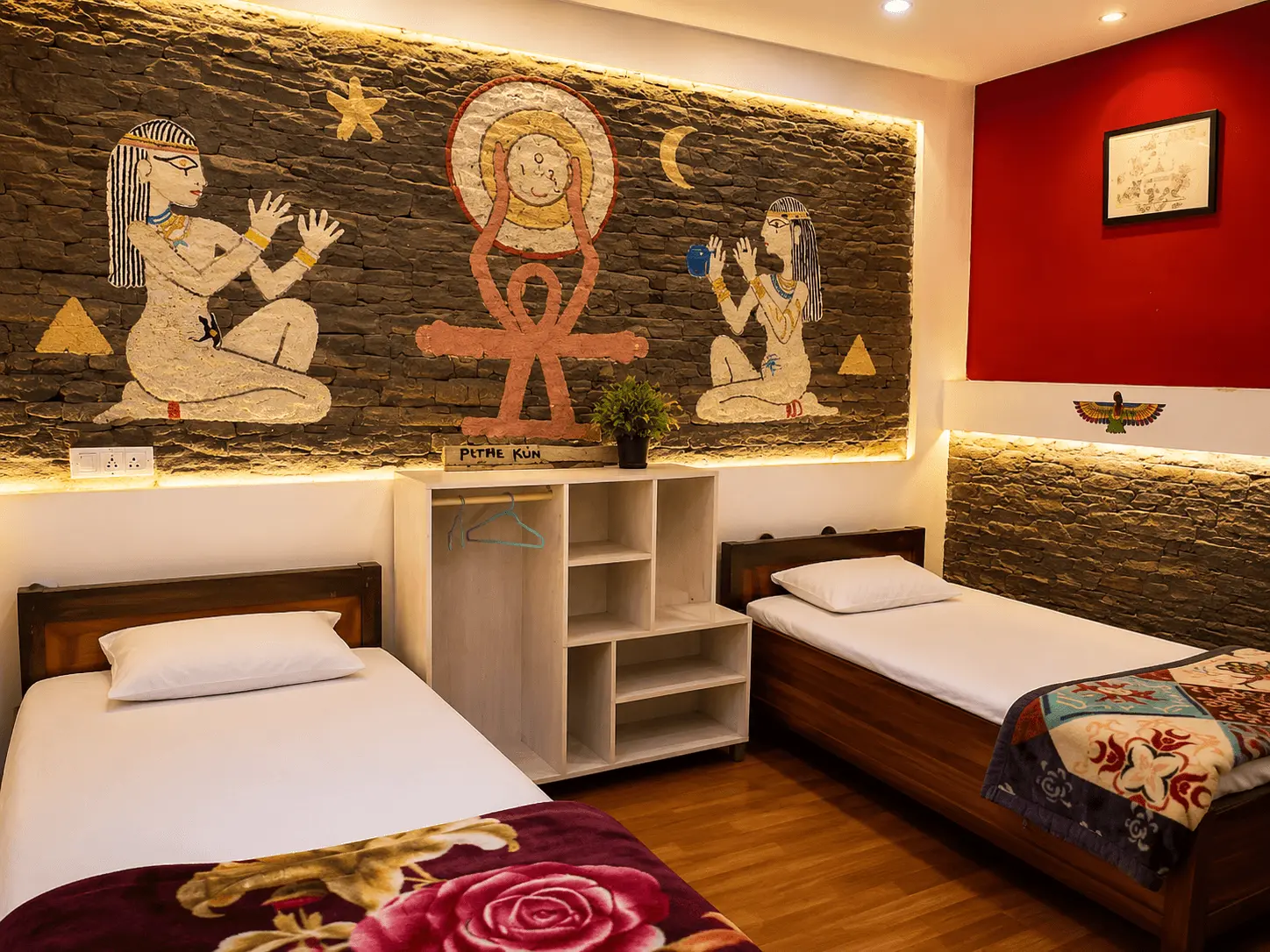
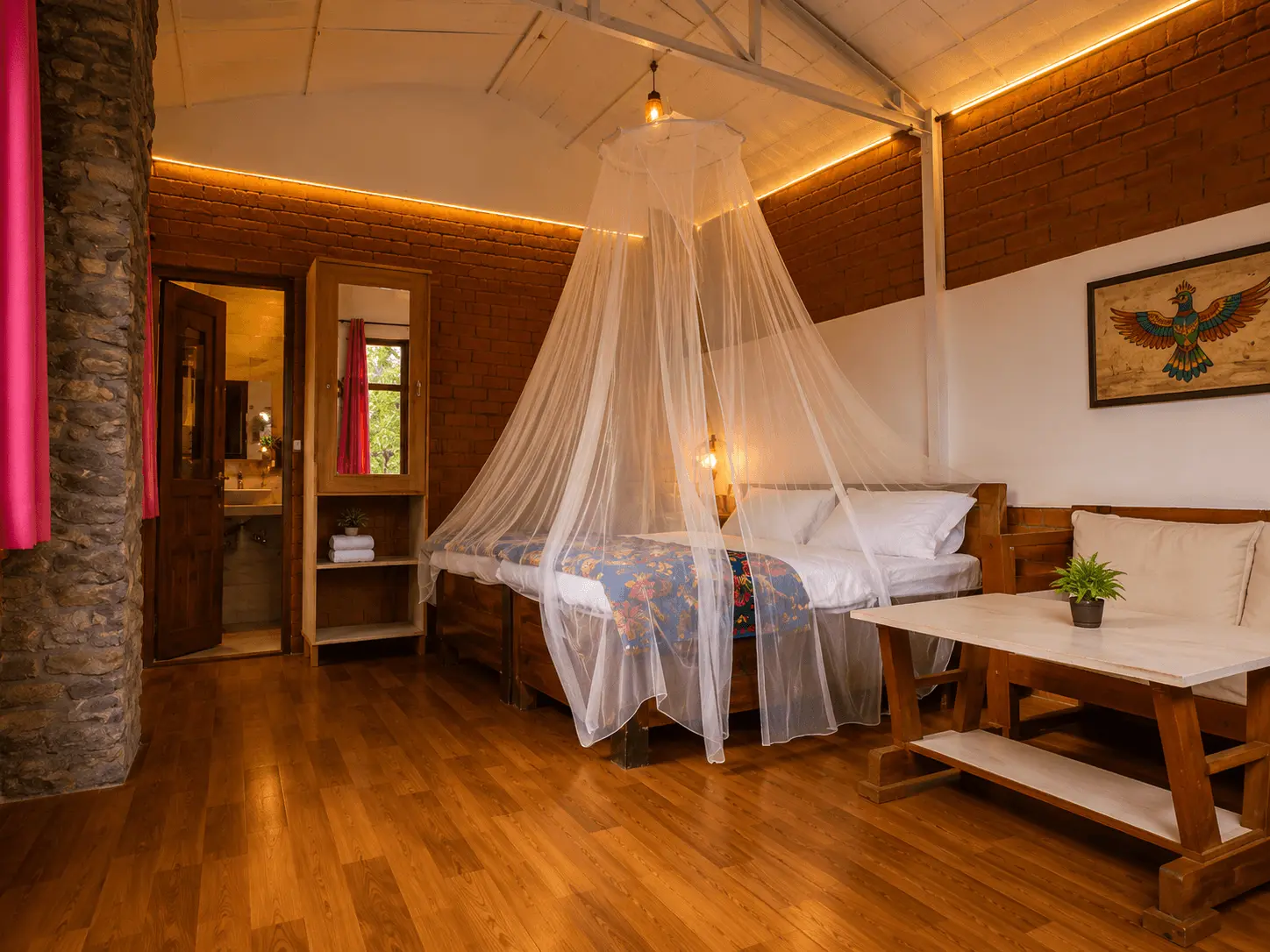
For participants who prefer their own space. Clean, simply furnished with a comfortable bed, storage, and attached or shared bathroom. Ideal for deep rest and personal practice time between sessions.
🛌
Double Sharing Room
For two participants sharing. You may book with a travel companion or be matched with another participant of the same gender. Same quality of space — a practical option for those who enjoy company or want to save on cost.
🌿
Ashram Setting
Rooms open onto the ashram grounds — forest paths, a meditation garden, and quiet sitting areas. The natural environment is part of the stay: birdsong in the morning, Himalayan ridges in the distance, genuine stillness at night.
🚿
Clean Facilities
Hot water, clean bathrooms, and regular housekeeping. Not a luxury hotel — but everything you actually need is here and well maintained. The simplicity is intentional: a yoga retreat is not about comfort as distraction.
Accommodation is included in all retreat fees. No extra charges for room use, early check-in (subject to availability), or late departure on the final day.
What Do You Practice Each Day?
A yoga and meditation retreat at Maunvan is not a single style of yoga repeated every morning. Each day draws from the full classical toolkit — asana, pranayama, meditation, philosophy, and community practice — working together in a sequence that builds over the duration of your stay.
H
Hatha Yoga
Classical posture practice with careful attention to alignment, breath, and the movement of prana through the body. Practised in the morning shala overlooking the Himalayan valley. All levels welcome — modifications given where needed.
A
Ashtanga Vinyasa
The dynamic flowing practice that links breath with movement — building internal heat, sustained focus, and the experience of yoga as moving meditation. Introduced in the 5-day and 7-day programs.
P
Pranayama
Classical breathwork — Nadi Shodhana, Kapalabhati, Ujjayi, Bhramari. Practised before asana each morning to prepare the nervous system, deepen the mind-body connection, and establish internal stillness.
M
Meditation & Yoga Nidra
Seated silent meditation and Yoga Nidra — a guided body-scan practice that produces physiological rest far deeper than ordinary sleep while maintaining conscious awareness. Central to this health and wellness retreat.
Y
Yin Yoga
Long-held floor postures of three to five minutes targeting connective tissue and fascia. The deep physical release of afternoon Yin creates spaciousness that makes the next morning's active practice feel entirely different.
S
Satsang & Philosophy
Evening study of the Yoga Sutras, Bhagavad Gita, and the living philosophy of the classical yoga tradition. Mantra chanting, guided discussion, and community gathering — the dimension that transforms a yoga class into a yoga retreat.
Why Choose Maunvan for Your Yoga Retreat in Rishikesh?
Rishikesh has many yoga center retreats. Here is what makes Maunvan different — not as claims, but as specific, verifiable decisions about how this place is run.
12
Maximum 12 Participants
This is a firm cap, not a target. Small groups mean your teacher knows your name, your body, and your practice on day one — and can adapt every session to what you actually need. Yoga taught at this scale is qualitatively different from a class of 30.
ALL
Truly All-Inclusive
One fee. Room, three meals, every session, every workshop, teacher guidance, certificate. No hidden extras, no per-class charges, no upselling when you arrive. Among the most affordable yoga retreats in Rishikesh that are genuinely all-in.
🏔
Genuine Himalayan Setting
Maunvan sits on a forested ridge above the Ganga valley — not on a Rishikesh main road. The environment is quiet, clean-aired, and genuinely natural. The location is part of why this works as a health and wellness retreat.
🤫
Silent Retreat Option
The 7-day program includes a dedicated silent yoga retreat day — a full 24 hours of silence, self-practice, and deep inner work. For those drawn to the contemplative tradition, this is one of the most valuable days of the week.
🕉
Classical, Not Commercial
Teachers at Maunvan have years of practice in India, not weekend certifications. The curriculum draws from the classical yoga tradition — Patanjali, Ayurveda, Sanskrit. Philosophy is studied, not just referenced. This is a yoga retreat where yoga is taken seriously.
📅
Open All Year
Rolling intake means you do not have to adjust your life around a fixed cohort calendar. Start on any Monday that works for you. Retreats run in every season — peak-season clarity in October–March, monsoon green in July–August.
Rishikesh is recognised as the yoga capital of the world — and Maunvan sits within this tradition while keeping its practice small, personal, and rooted. The ashram does not run celebrity workshops or large festival events. The work here is quiet, consistent, and designed for lasting change rather than a memorable holiday. If you are choosing between yoga retreats in Rishikesh, the question to ask is not which retreat has the best website or the most followers — it is which one will actually change how you practice when you go home. That is the only standard we measure against.
What is the yoga retreat at Maunvan?
A residential yoga and meditation retreat in Rishikesh — 3, 5, or 7 days. Morning Hatha/Ashtanga yoga, daily Pranayama and Meditation, afternoon Yin Yoga and Yoga Nidra, evening Satsang and philosophy. Himalayan forest ashram. All-inclusive. Maximum 12 participants. All levels welcome. Open year-round.
Frequently Asked Questions
Do I need yoga experience to join a yoga retreat at Maunvan? +
No experience is required. Our yoga retreats are designed to be fully accessible at any level. Complete beginners receive foundational instruction and progress at an appropriate pace. Experienced practitioners receive progressions, refinements, and the deeper aspects of the practice. The retreat works for both because teaching is personalised within the small group setting of maximum 12 participants.
How much does a yoga retreat in Rishikesh cost at Maunvan? +
The yoga retreat cost at Maunvan is all-inclusive — accommodation, all meals, all sessions, and personal guidance are included in a single fee. The 3-day program starts from $108 (single room) / $93 (sharing). The 5-day is $180 / $155. The 7-day is $252 / $217. There are no hidden extras, no per-class charges, and no upselling when you arrive. One payment covers everything from your first morning session to your last meal. This makes Maunvan one of the most affordable fully-residential yoga retreats in Rishikesh — particularly when you compare like-for-like with other ashrams that charge separately for accommodation, meals, and individual classes.
What is the best time to book a yoga retreat in Rishikesh? +
October to March is the peak season — cool weather, clear skies, and the finest Himalayan views. October and November in particular are ideal: post-monsoon freshness, comfortable temperatures, and long clear mornings perfect for outdoor practice. April to June is warm but beautiful and less crowded. July and August are the monsoon months — the ashram is lush and green, the air is exceptionally fresh, and the forest is extraordinarily alive; many practitioners find the monsoon retreat the most deeply inward experience of the year. Retreats run year-round and we recommend booking at least 3–4 weeks in advance as batches fill quickly, especially in peak season.
Is Maunvan suitable as a yoga retreat for beginners? +
Yes — in fact, beginners often get more from a retreat than experienced practitioners. If you can breathe and move without acute pain, you can attend. Teachers adapt every session to the bodies in the room. Foundational instruction is given with care, not assumed. The immersive structure gives a true beginner in one week more real yoga education than months of drop-in studio classes. You do not need to prepare in any particular way before arriving — there are no fitness requirements, no prerequisite reading, and no special equipment to buy. Comfortable loose clothing, an open mind, and willingness to follow the daily schedule are all you need. If you have specific injuries or medical conditions, contact us before booking and we will advise honestly.
What is the silent yoga retreat day in the 7-day program? +
On one full day of the 7-day program, all talking stops — no group sessions, no phones, no external input. Participants practise self-guided asana and meditation, sit with the silence, and use the time for deep inner inquiry. Meals are eaten in silence. It is optional in principle but strongly encouraged by the teachers, and most participants describe it as the most valuable day of the week.
Can I attend if I have an injury or physical limitation? +
Please contact us before booking to describe your situation. In most cases, our teachers can adapt the practice to work safely around injuries — modifying postures, suggesting alternative approaches, and monitoring your progress. For serious medical conditions we may request clearance from your doctor. We would rather discuss this honestly before you book than have you arrive unsure.
How many people are in each yoga retreat group? +
A maximum of 12 participants per group. This is a firm limit, not a target — it is what keeps the teaching genuinely personal. Teachers know every participant by name within the first day and can adapt the practice to individual needs throughout the retreat.
What language are sessions taught in? +
All sessions are conducted in English. Sanskrit terminology is introduced gradually through the practice itself — no prior knowledge of Sanskrit is needed or expected. The philosophy sessions are also in English and are accessible to participants with no background in yoga philosophy.